SLASHER Board Game
A cooperative board game developed for the CCT419 class at the University of Toronto, inspired by haunted house-themed horror movies. Through strategic gameplay design and user experience analysis, this project demonstrates the balance of player experience and difficulty levels in cooperative games.
Project Overview
The "Slasher" board game project, developed in a UXD board game design class at the University of Toronto, centers on a cooperative, horror-themed game where players must navigate through a mansion, work together to evade a supernatural slasher, and collect artifacts to exorcise it. The game incorporates strategic and random elements, encouraging collaboration among players while maintaining suspense and unpredictability.
As a Gameplay Designer and User Experience Analyst, I contributed to two user evaluation playtests that revealed key insights for improvement. Through design iterations, we incorporated elements of randomness to enhance replayability and introduced mechanics that balanced difficulty to keep gameplay engaging.
Players
4
Game Type
Cooperative
Focus
UX Design
Course
CCT419
Key Contributions
Gameplay Design
Designed core gameplay mechanics to create a balanced cooperative experience where players must navigate through a mansion and work together to evade the slasher.
User Experience Analysis
Conducted comprehensive user evaluation playtests to identify pain points and opportunities for enhancing player engagement and experience.
Randomness Elements
Introduced strategic elements of randomness to enhance replayability while maintaining balanced gameplay dynamics.
Difficulty Balancing
Created mechanics that adjusted difficulty levels to ensure engaging gameplay without overwhelming players.
Accessibility Improvements
Identified and resolved accessibility issues, including readability, color contrast, and inclusivity to improve the overall user experience.
Game Documentation
Contributed to the development of comprehensive rule documentation and user guides to enhance player onboarding.
Game Gallery
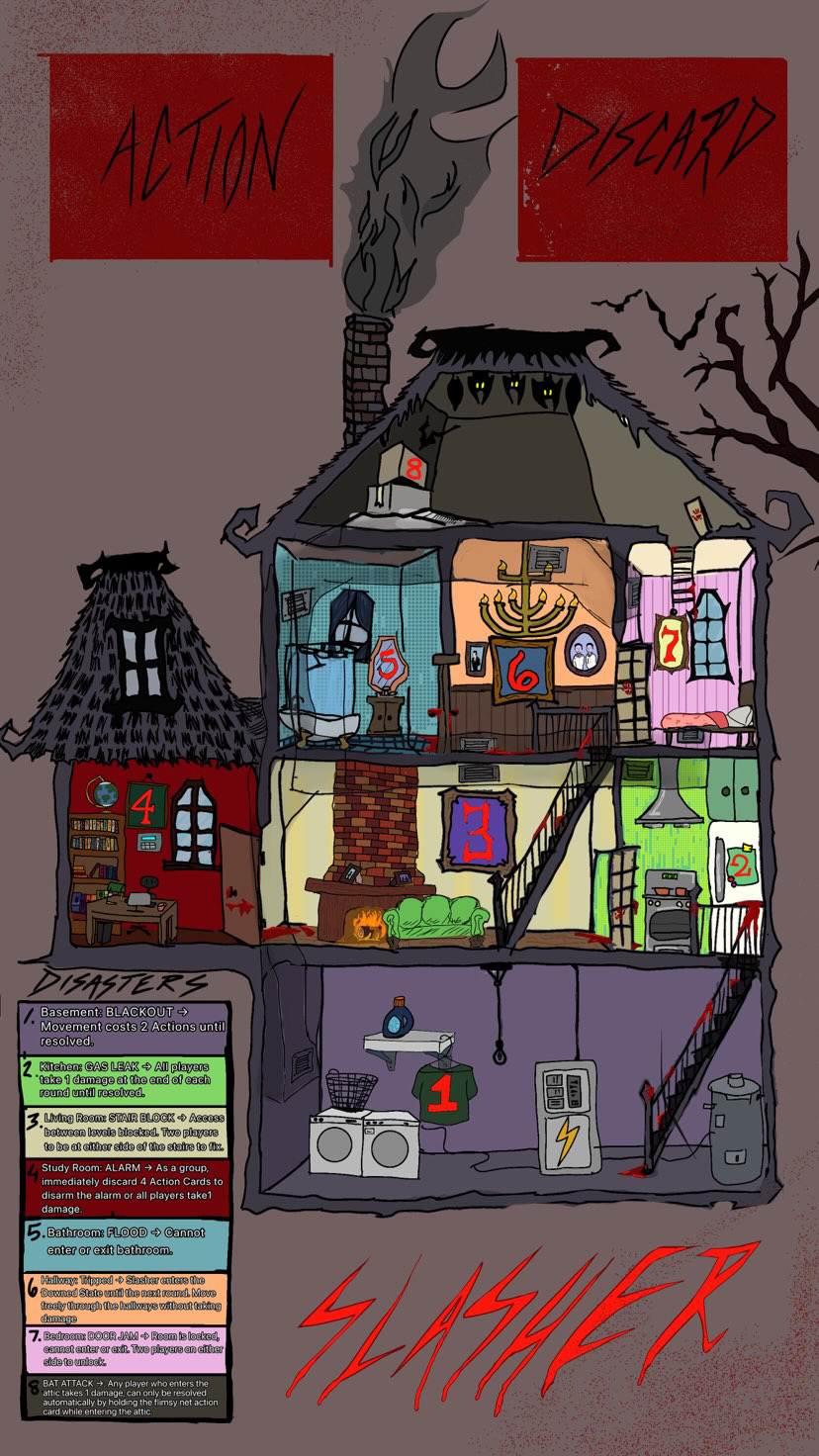
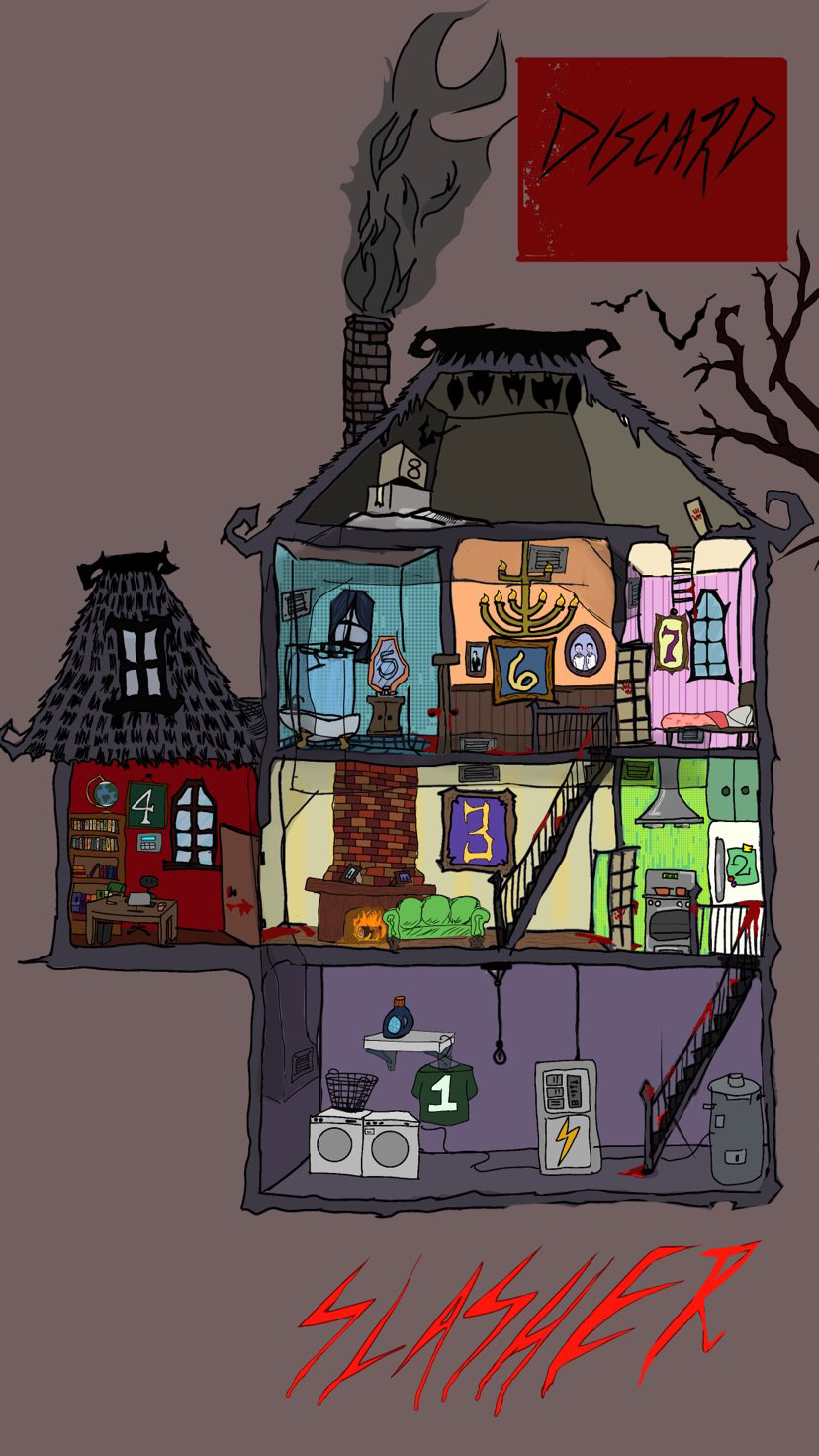
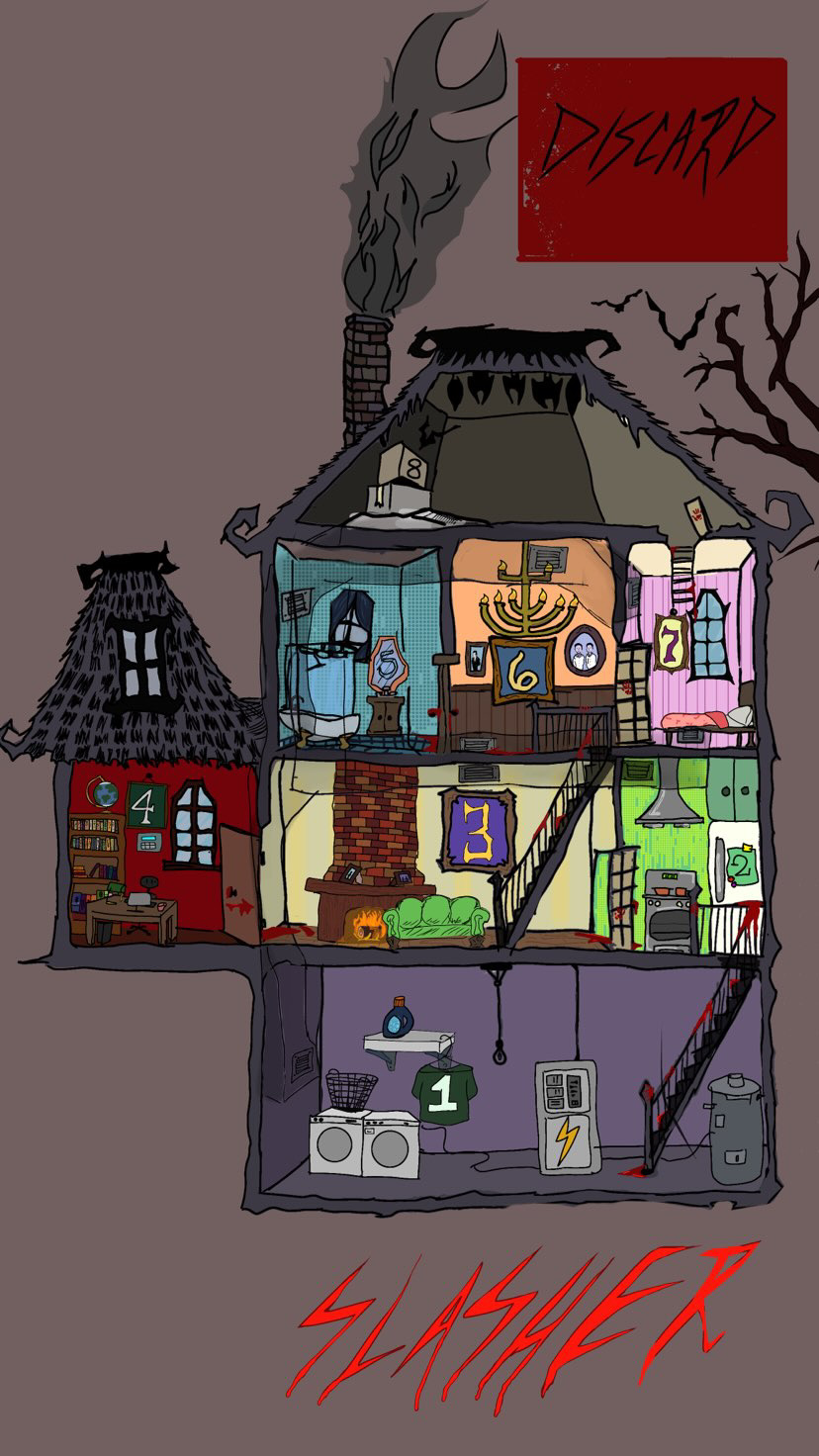
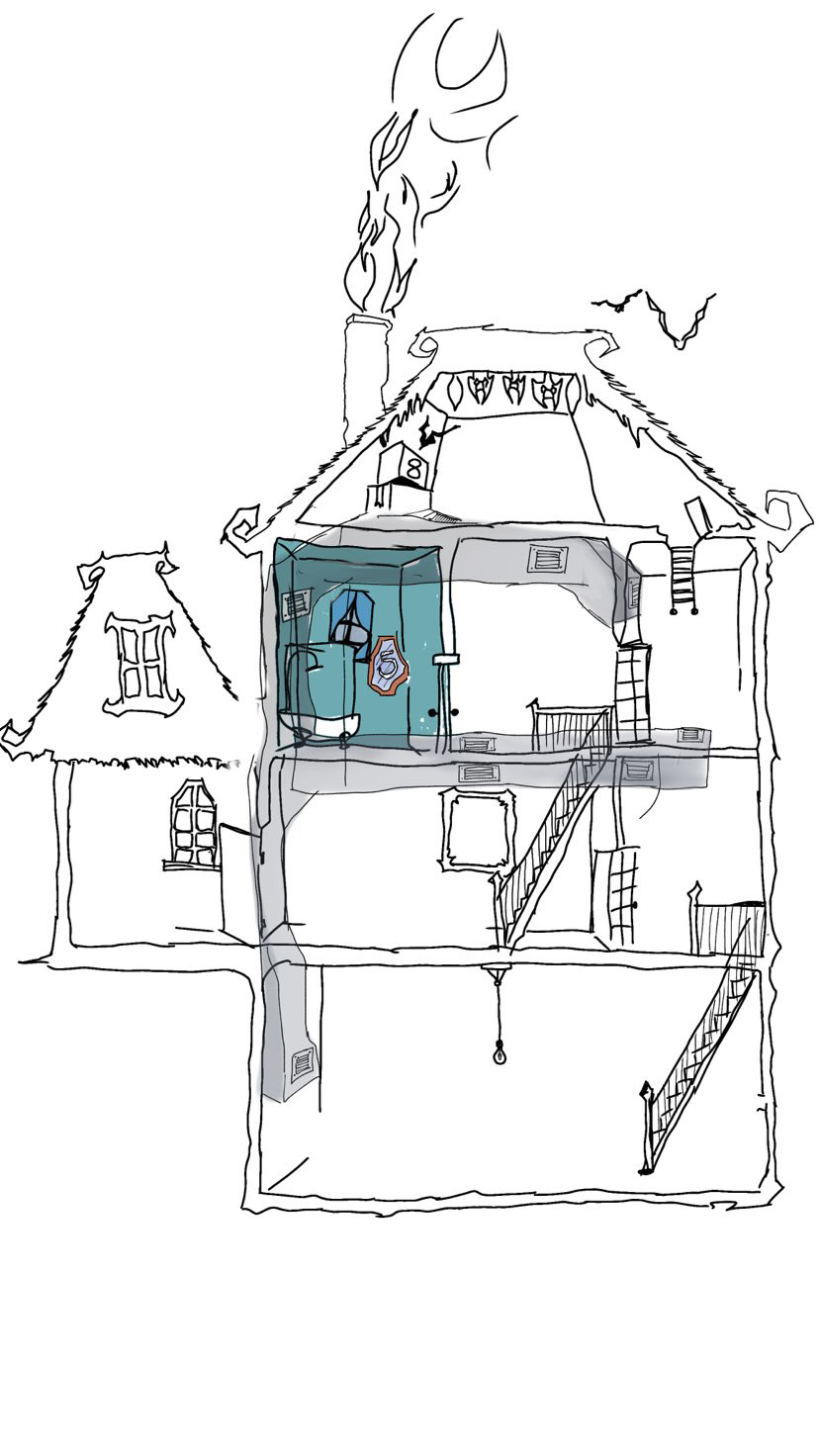
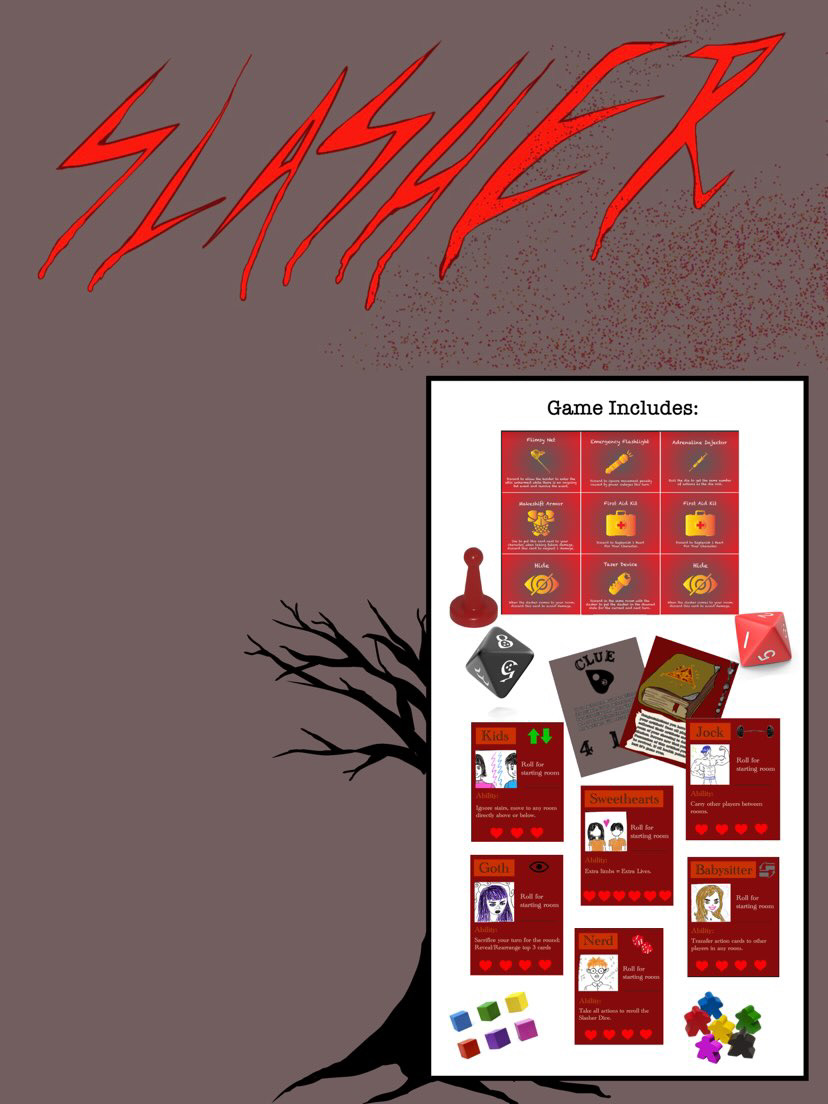
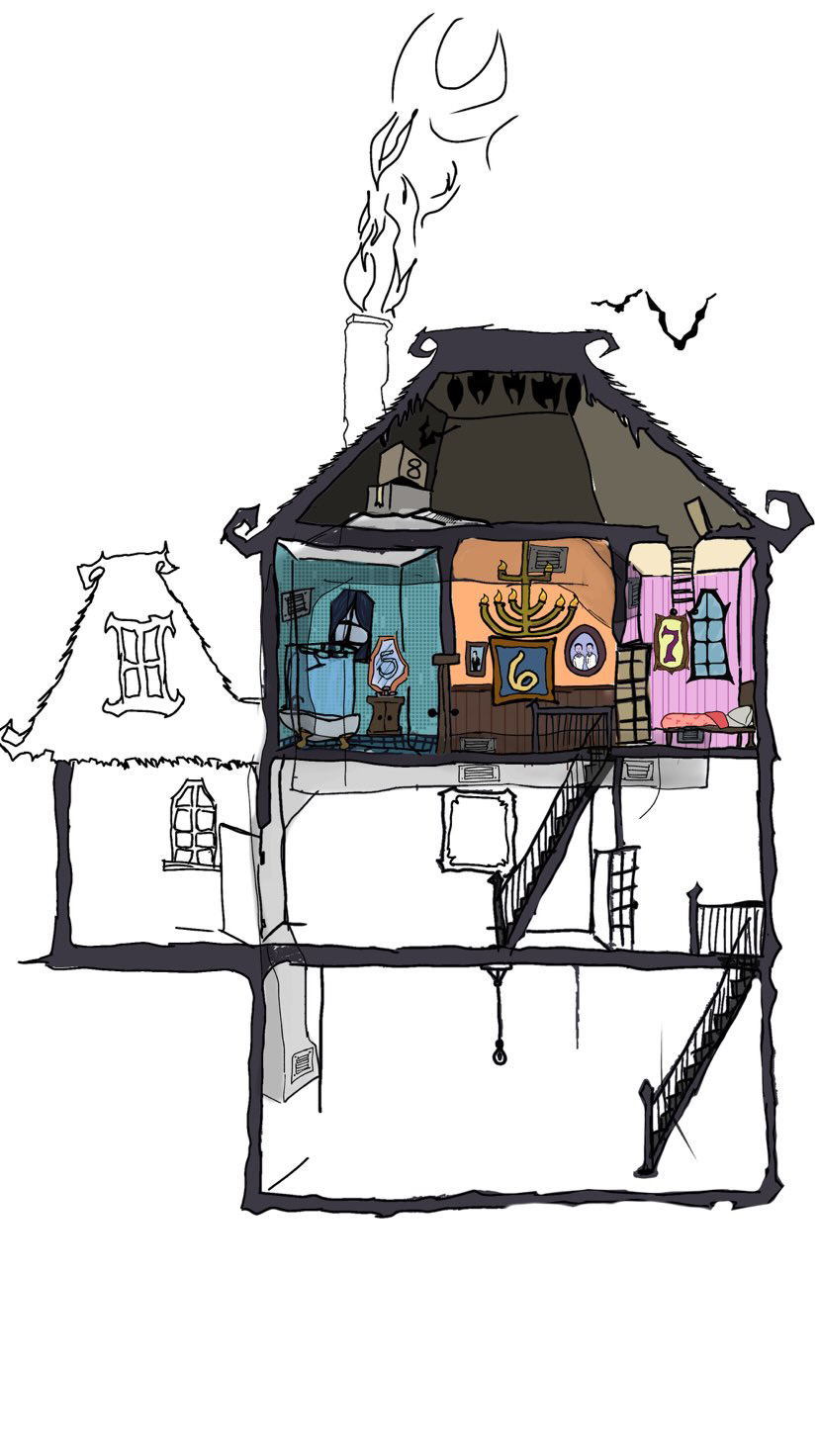
Design Process
Low-Fidelity Prototype
The initial design started with a low-fidelity prototype hand-drawn on A4 sheets, focusing on basic gameplay mechanics and player roles. Each player had unique abilities, and the game was driven by dice rolls to dictate the slasher's movements and trigger room-based disasters.
User Testing (Low-Fidelity)
Conducted with participants aged 21-22, this session revealed that while the game was perceived as collaborative, users struggled to play without facilitator guidance due to unclear rules. Players were hesitant to use action cards, indicating the need for simplification.
High-Fidelity Prototype
Developed a high-fidelity prototype that included graphical design aligned with the slasher theme and a comprehensive rulebook. The gameplay mechanics were refined to make action cards more accessible and user-friendly.
User Testing (High-Fidelity)
This iteration involved more diverse participants and tested the usability of the rulebook. While players better understood the general rules, specific details remained confusing, and reading through the lengthy rulebook took significant time.
Rulebook and Gameplay Refinements
Simplified the rulebook with a "Quick Start Guide," added clearer visual cues, simplified action card mechanics, and balanced gameplay to ensure all character roles had impactful strategic contributions.
Completed Game Design
The final game achieved enhanced gameplay and engagement with a strong theme that players found immersive. The cooperative elements and strategic gameplay were well-received, though further simplification of rules would benefit future iterations.
Learn More About Slasher
Download documentation for more details about this game design project, including the complete rulebook and user evaluation reports.
View Documentation